





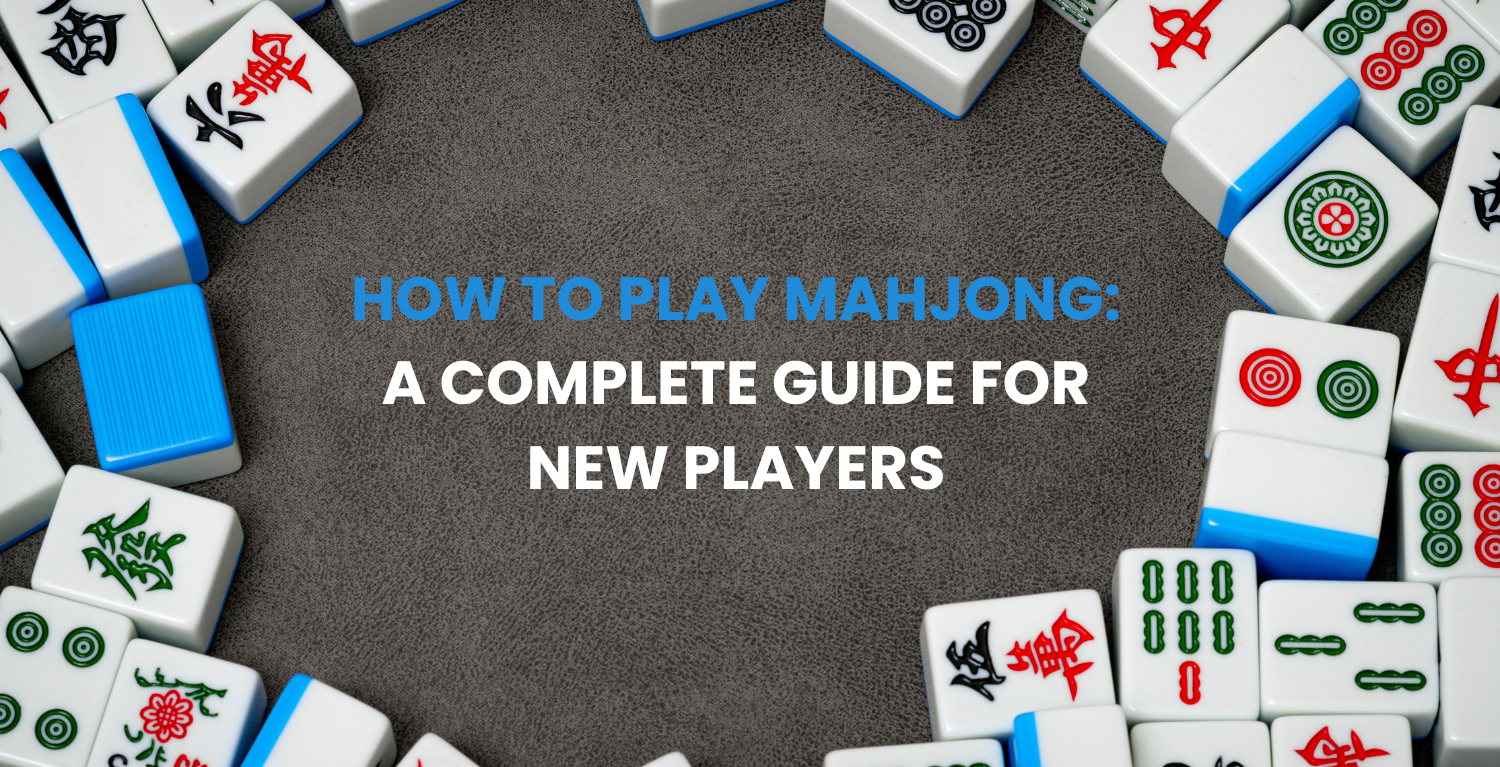
Introduction of How to Play Mahjong
Mahjong is more than just a game; it’s a cultural treasure enjoyed by millions around the world. Originating in China, this tile-based game has captivated players with its blend of strategy, skill, and luck. Whether you’re looking to learn Mahjong for fun, to bond with friends, or to dive into its rich history, this guide will teach you everything you need to know to get started. Let’s uncover the fascinating world of Mahjong step by step.
What Is Mahjong?
At its core, Mahjong is a strategic game played with 136 to 144 tiles, depending on the variation. Typically, four players sit around a table to play, although some versions allow for three players. The game involves drawing and discarding tiles, with the ultimate goal of forming specific tile combinations to create a “Mahjong” hand.
Mahjong has numerous variations, each with unique rules and styles. Popular ones include Chinese Mahjong, Japanese Riichi Mahjong, and American Mahjong. Despite their differences, the fundamental principles remain the same—collecting tiles to form specific combinations while staying mindful of your opponents’ moves.
How to Play Mahjong?
Mahjong is a strategy game that originated in China. It is played with tiles rather than cards, although it is comparable to rummy. Although you can play with three people, you usually play with four. The objective is to create mahjong by forming four melds and a pair. These guidelines aren’t absolute because mahjong comes in a variety of forms. The rules of the individuals you’re playing with should always be followed.
- Locate a mahjong tile set.
There are 144 tiles in a set. Don’t worry, you won’t have to spend a lot of money if you don’t want to; you can get these sets online at a range of pricing points! They ought to be available at gaming retailers as well.
Note that the amount of tiles varies depending on the version of the game. For example, some have just 136.
Because they are hand-carved, some sets are extremely costly!
2. Start by learning the suit tiles.
Three suits—dots and circles, Chinese characters, and bamboo—are used in the game’s core gameplay. These work similarly to a deck of cards’ suits. There are four identical sets of nine tiles in each suit. In total, there are 108 of these tiles.
Except for the character suit, which uses a Chinese character for the number, the suits tiles will have numbers ranging from 1 to 9. Just like playing cards, each tile will contain a proportional amount of the associated symbol. For bamboo, the most popular tile is a bird, usually a peacock or an owl.
3. Apply honor tiles similarly to suit tiles.
Honor tiles are unique tiles. Honor tiles depict the four winds or red and green dragons. These can be used similarly to suit tiles in that they can be matched to create “melds,” three- or four-of-a-kind.[3]
Play the 16 wind tiles—four for each of the east, south, west, and north—in that order, keeping in mind the phrase “eat soy with noodles.” Usually, the word’s initial letter appears in the top left corner.
In addition to using Chinese characters to symbolize the dragons, the suit tiles also use a “C,” “F,” or “P/B” in place of the numbers 1 through 9. The same three tiles appear in four sets.
4. Choose if you want to make advantage of the additional tiles.
Bonus tiles depict flowers and seasons. These tiles are typically included in Chinese and Korean Mahjong games, however they are not always included in American or Japanese versions. These can provide you extra points in your hand at the conclusion, but they can’t be used to make melds.
These tiles have different images for each set. One of each of the following flower types could be included in a set: bamboo, chrysanthemum, orchid, and plum. Each season will thereafter have its own tile. Additionally, you may have four blank tiles that can be utilized as jokers.
Essential Mahjong Equipment
- Mahjong Tiles
Mahjong tiles are the heart of the game. They are typically divided into three suits (Bamboo, Characters, and Circles) and include Honor tiles (Winds and Dragons) and optional Bonus tiles (Flowers and Seasons).
- Gameboard or Table
A proper gameboard or table helps keep the tiles organized and ensures a smooth game flow. Some tables are specifically designed with grooves to hold tiles.
- Accessories
Accessories like tile racks, scoring sticks, and dice are often included to enhance gameplay. Scoring sticks are particularly helpful in keeping track of points during the game.
Understanding Tiles of How to Play Mahjong
- Suits: Bamboo, Characters, and Circles
- Bamboo: Depicted with sticks resembling bamboo stalks.
- Characters: Represent Chinese numbers written in calligraphy.
- Circles: Depicted as coins or circles.
- Honor Tiles: Winds and Dragons
- Winds: East, South, West, and North tiles.
- Dragons: Red, Green, and White tiles, which are often high-scoring.
- Bonus Tiles: Flowers and Seasons
These are decorative tiles that don’t form melds but can add points to your score.
Objective of How to Play Mahjong
The primary goal of Mahjong is to form a complete hand of 14 tiles, which usually consists of four melds (Chow, Pung, or Kong) and one pair. A meld is a group of three or four tiles that meet specific criteria. The player who achieves this first declares “Mahjong” and wins the round.
Setting Up the Game of How to Play Mahjong
- Number of Players
Mahjong is traditionally played with four players. In three-player versions, certain tiles are removed.
- Building the Wall
Players shuffle the tiles and arrange them face-down in rows to create a “wall.” The wall forms a square in the middle of the table.
- Determining the Dealer
The dealer (East Wind) is determined randomly using dice. The dealer’s role rotates clockwise after each round.
Basic Mahjong Rules
Each round begins with players drawing tiles to build their hands. The dealer starts by drawing an extra tile and discarding one. The game proceeds clockwise, with players drawing and discarding tiles in turn.
The goal is to complete a Mahjong hand by forming melds (Chows, Pungs, Kongs) and a pair. Players can claim tiles discarded by others to complete melds but must declare the type of meld they are forming.
Types of Mahjong Melds
- Chow (Sequence)
A Chow consists of three consecutive tiles from the same suit (e.g., 3, 4, 5 of Bamboo).
- Pung (Triple)
A Pung is a set of three identical tiles (e.g., three Red Dragons).
- Kong (Quad)
A Kong is a set of four identical tiles. Declaring a Kong allows you to draw an extra tile from the wall.
Scoring in Mahjong
Scoring varies by Mahjong variant, but points are generally awarded based on the type of melds formed, the presence of bonus tiles, and the method of winning (self-drawn or claimed). High-scoring hands often include rare combinations or multiple Honor tiles.
Popular Mahjong Variants
Mahjong is played worldwide, and its rules and scoring systems have evolved to create several popular variations. While each has unique features, they all maintain the core gameplay of forming winning hands with tile combinations. Here are the most notable variants:
- Chinese Mahjong
This is the original and most widely played version of the game. It uses 144 tiles, including the standard suits, Honor tiles, and Bonus tiles. Chinese Mahjong emphasizes simplicity and is often played with a mix of casual and competitive scoring styles.
- Japanese Riichi Mahjong
Japanese Mahjong, also known as Riichi Mahjong, adds a layer of complexity with unique rules like the Riichi declaration (a ready-hand declaration) and the Furiten rule (a penalty for certain discard situations). It is highly strategic and popular among competitive players.
- American Mahjong
American Mahjong is distinct due to its use of a National Mah Jongg League (NMJL) card that lists specific winning hands for the year. It also includes Joker tiles and a focus on creating specific hand patterns, making it different from traditional Mahjong.
Tips and Strategies for Beginners of How to Play Mahjong
Mastering Mahjong takes time, but with the right strategies, new players can quickly build their confidence. Here are some essential tips to help beginners improve their gameplay:
- Study the Tile Patterns
Familiarize yourself with the suits, Honor tiles, and potential combinations. Recognizing patterns is crucial for quickly deciding which tiles to keep and which to discard.
- Keep an Eye on Discards
Pay attention to the tiles your opponents discard. This can provide clues about their strategy and the tiles they might be collecting. Avoid discarding tiles that could help them complete their hands.
- Manage Your Hand Effectively
Focus on building a winning hand early in the game. Decide whether you aim for a specific meld or adapt your strategy based on the tiles you draw.
- Play Defensively
If you notice another player is close to declaring Mahjong, shift to a defensive playstyle. Avoid discarding tiles they may need, even if it slows your progress.
- Practice Patience
Rushing to complete a hand can lead to mistakes. Sometimes, waiting for the right tile is better than forcing an incomplete combination.
Common Beginner Mistakes
Learning Mahjong involves trial and error, but avoiding these common mistakes can save you from frustration:
- Overemphasizing Bonus Tiles
While Bonus tiles can add to your score, they shouldn’t distract you from forming melds. Prioritize building a strong hand over collecting Bonus tiles.
- Ignoring Opponent Strategies
Failing to monitor your opponents’ moves can give them an advantage. Stay aware of their discards and claims to anticipate their plans.
- Discarding Carelessly
Discarding tiles without thought can provide your opponents with the tiles they need. Consider how each discard might impact the game.
- Neglecting the Rules
With so many variations, understanding the specific rules of your chosen Mahjong variant is essential. Take the time to study the game format before playing.
Playing Mahjong Online
If you don’t have access to a physical Mahjong set or want to practice on your own, online platforms offer an excellent alternative. Digital Mahjong provides convenience, accessibility, and opportunities to learn at your own pace.
- Benefits of Playing Online
- Accessibility: Play anytime, anywhere on your computer or mobile device.
- Practice Modes: Many platforms offer tutorials and AI opponents to help you learn.
- Community Engagement: Join online tournaments and connect with players worldwide.
- Popular Mahjong Platforms
Some of the best Mahjong platforms include Mahjong Soul, Real Mahjong, and Riichi City. These platforms offer engaging visuals, detailed tutorials, and competitive play modes.
- Features to Look For
When choosing an online Mahjong platform, consider features like user-friendly interfaces, multiplayer options, and rule customization.
Mahjong Etiquette
Whether playing in person or online, adhering to Mahjong etiquette ensures a respectful and enjoyable experience for all players. Here are some key guidelines:
- Respect Your Opponents
Maintain a polite and friendly attitude during the game, regardless of the outcome. Avoid gloating or criticizing others.
- Keep the Game Moving
Avoid unnecessary delays by making your moves promptly. In online games, use the timer as a guide.
- Handle Tiles Carefully
When playing in person, avoid rough handling of tiles and keep the table organized.
- Practice Good Online Manners
In online Mahjong, avoid spamming chat features or quitting mid-game. Treat your virtual opponents with the same respect as you would in person.
Conclusion
Mahjong is a captivating game that combines skill, strategy, and a touch of luck. From understanding the tiles and rules to mastering strategies and etiquette, this guide has provided you with everything you need to get started. Whether you’re playing for fun with friends or competing in an online tournament, Mahjong offers endless opportunities for entertainment and mental stimulation.
So gather your tiles, learn the rules, and dive into this timeless classic. With practice and patience, you’ll soon find yourself declaring “Mahjong” with confidence and pride.
FAQs
- What is the best Mahjong variant for beginners?
Chinese Mahjong is often recommended for beginners due to its straightforward rules and simpler scoring system compared to other variations.
- How many players are needed for Mahjong?
Mahjong is traditionally played with four players, but some variations, like three-player Mahjong, adjust the rules for fewer participants.
- Can I play Mahjong solo?
Yes, many online platforms and apps offer solo practice modes against AI opponents, allowing you to improve your skills at your own pace.
- Is Mahjong a game of skill or luck?
Mahjong is a mix of both. While luck determines the tiles you draw, skill and strategy play a significant role in forming winning hands and outsmarting opponents.
- Are Mahjong rules the same worldwide?
No, Mahjong rules vary by region and culture. Chinese Mahjong, Japanese Riichi Mahjong, and American Mahjong all have unique rules and scoring systems.